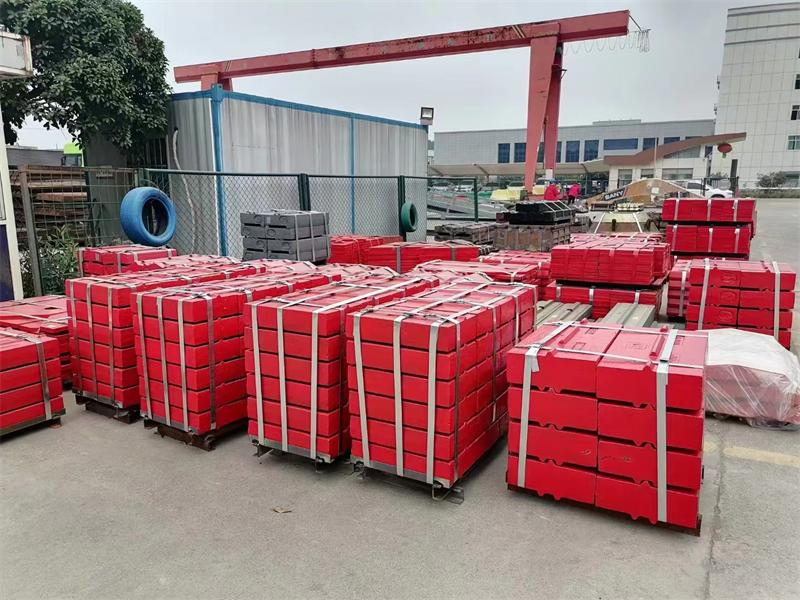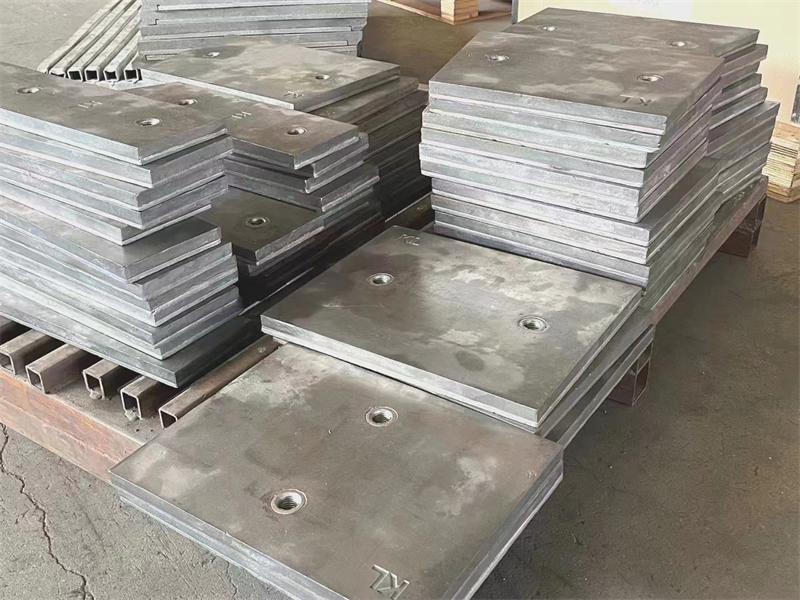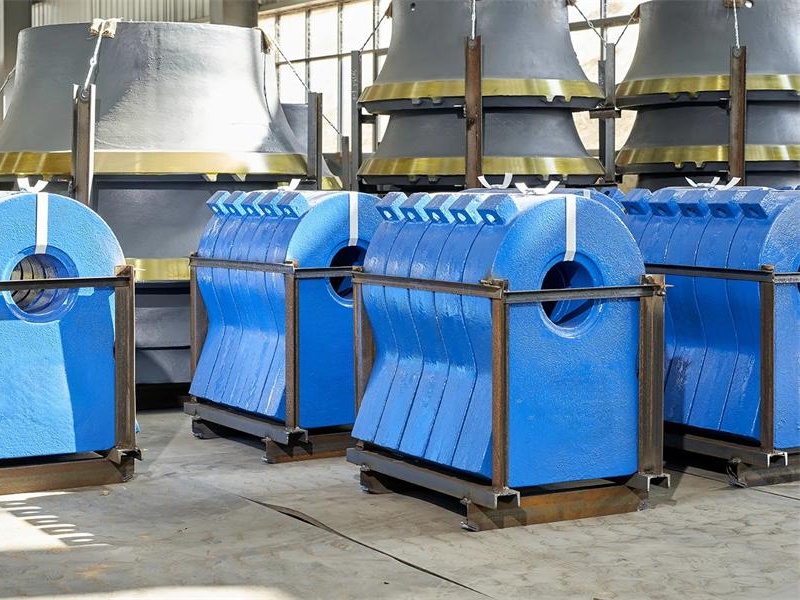
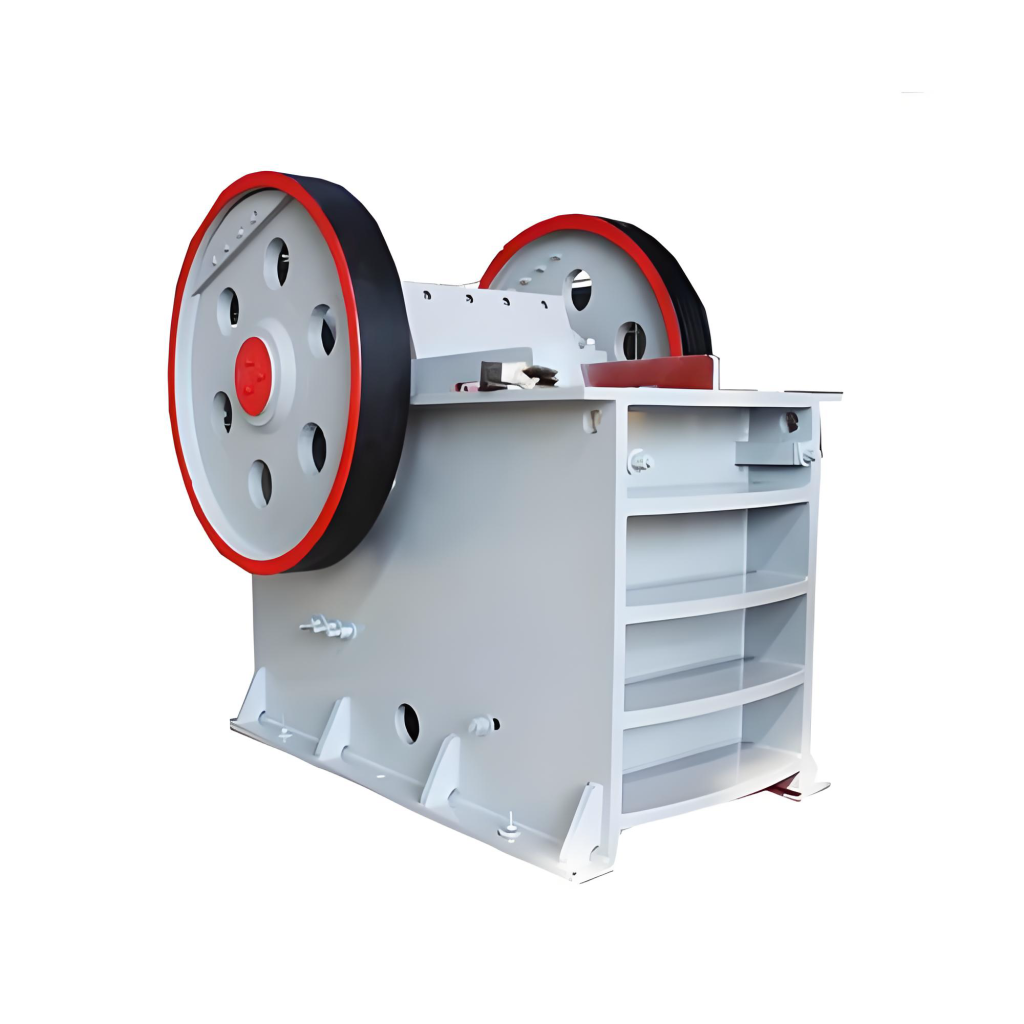
Jaw crusher wear parts operate under severe impact, abrasion, and compressive loads. As construction aggregates and hard-rock mining industries continue to process increasingly abrasive materials, the need for stronger and more durable wear parts has led to the development of advanced alloy casting technologies. These include high-chromium cast iron, alloy steel, and dual-metal composite casting.
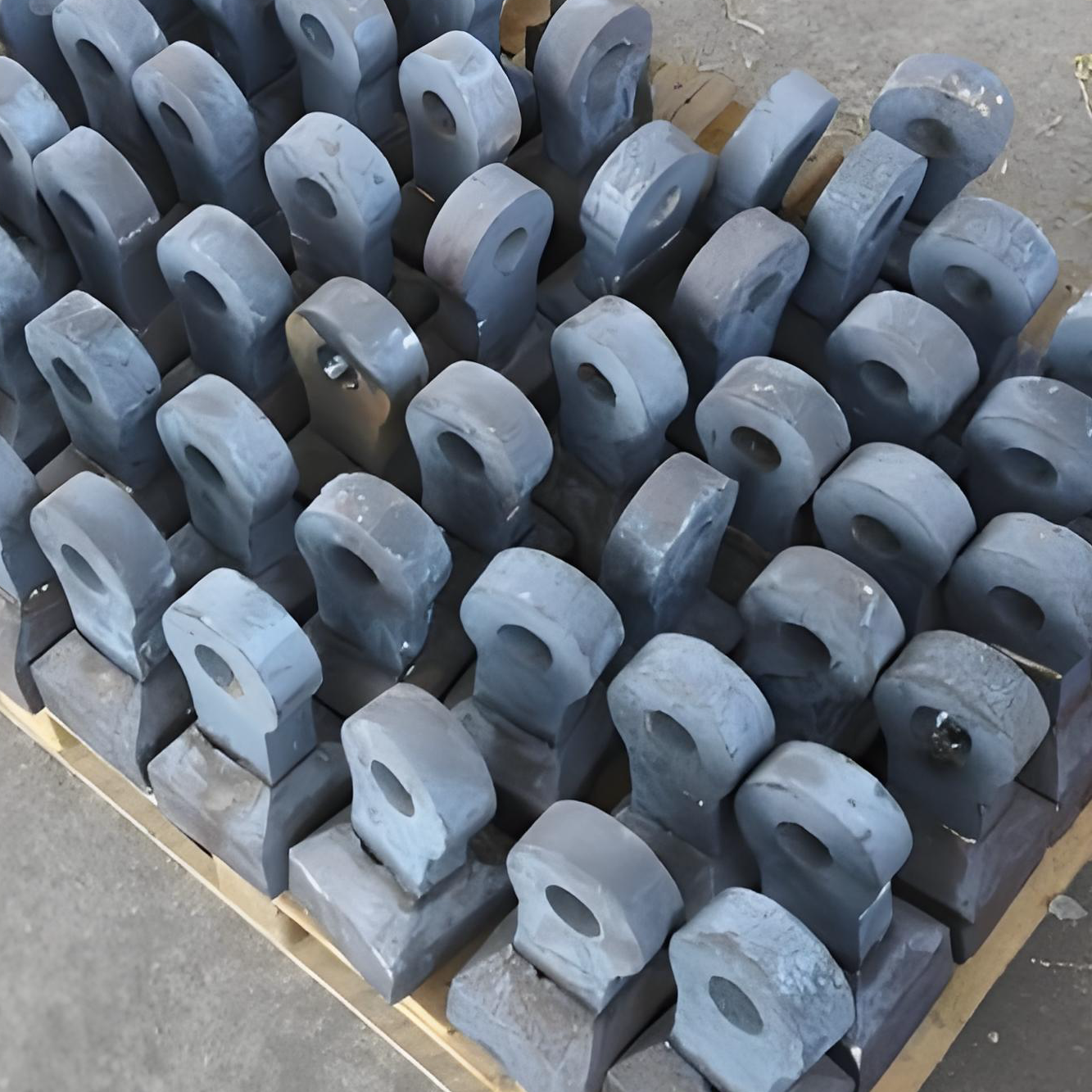
Alloy Selection and Optimization
Different working conditions require specific alloy types:
- High-chromium cast iron (Cr15, Cr20, Cr26)
Provides extremely high hardness for highly abrasive environments. - Alloy steel
Offers balanced toughness and wear resistance. - Bi-metal composite casting (high-chrome + manganese steel)
Hard wear surface + tough structural base = superior performance.
Proper alloy formulation can increase wear resistance by 20–60%.
Bi-Metal Composite Casting Technolog
One of the most advanced methods today is dual-metal composite pouring, where:
- The working surface is cast using high-chromium wear-resistant alloy
- The backing is cast using high-manganese or structural steel
- Both materials form a strong metallurgical bond
This structure ensures the outer surface resists wear while the inner base absorbs impact, extending part life by 1.5–3 times.

Casting Process Workflow
Key steps include:
(1) Mold Preheating & Refractory Treatment
Ensures the mold is dry and prevents porosity defects.
(2) Partitioned Dual-Metal Pouring
High-chrome alloy is poured first, followed by the base metal, forming a metallurgical composite layer.
(3) Temperature Control & Feeding Design
Proper gating, risers, and cooling rate ensure dense microstructure and prevent shrinkage or cracking.
(4) Heat Treatment
High-chrome components require:
- Austenitizing at 900–1050°C
- Controlled air or oil cooling
- Tempering to stabilize hardness
Final hardness can reach HRC 55–63.
Complete Quality Control System
To guarantee that each jaw crusher part meets strict durability standards, a comprehensive inspection system is implemented:
- Spectrochemical analysis – verifies alloy composition
- Metallographic examination – checks internal structure
- Hardness testing – ensures proper heat-treatment results
- Ultrasonic flaw detection – ensures no internal defects
- Dimensional inspection – ensures installation precision
Strict quality control ensures stable, predictable performance in the field.
Application Scenarios and Performance Benefits
Advanced alloy-cast jaw crusher parts are ideal for:
- Hard rock crushing (granite, basalt, gabbro)
- River pebble and high-abrasion material processing
- Large-scale mining and quarrying
- High-frequency, high-impact operations
Service life improvements of 30–200% reduce downtime and long-term operational costs significantly.